When Parking Garage Deterioration Needs a Closer Look
Last updated: September 22, 2026
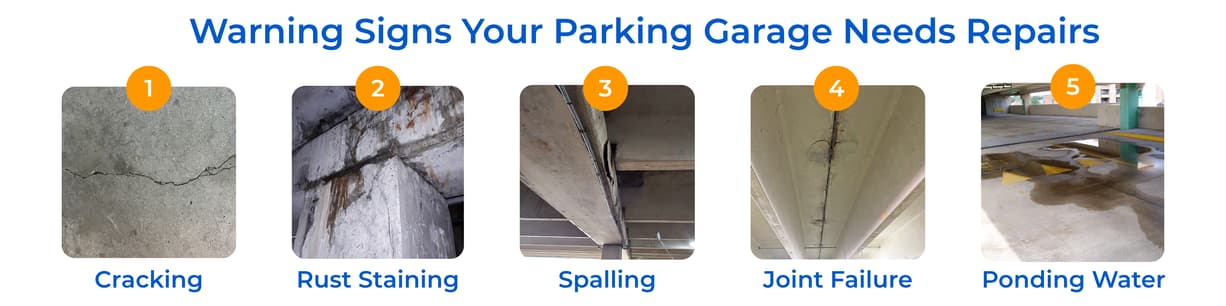
When you notice a crack, rust stain, area of spalling, deteriorated joint sealant, or recurring ponding water in a parking structure, the natural question is, “how serious is it?”
The answer isn’t always obvious from what you can see. Visible conditions don’t automatically indicate a serious structural problem, but dismissing them without understanding their cause can allow developing issues to go unaddressed. For parking garage owners, the goal is to understand what a condition may be indicating and determine whether it warrants further evaluation.
Not every condition means the same thing
Parking structures are exposed to moisture, temperature changes, traffic, deicing salts, and other factors that can impact concrete and structural components over time. Some cracking, staining, or surface deterioration can naturally occur as a structure ages. Other conditions may indicate a more significant issue. The significance of a condition depends on factors such as its size, location, pattern, and whether it’s changing over time.
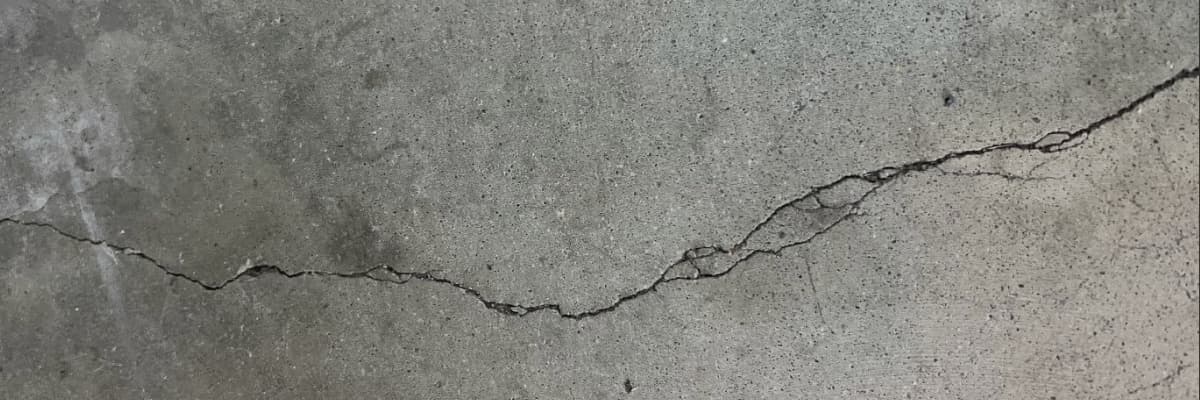
A concrete crack may be relatively minor or provide a pathway for moisture and chlorides to enter the concrete. A rust stain may be isolated or associated with corrosion of reinforcing steel below the surface. A small spall may also be part of a larger area of delaminated concrete. Knowing how to evaluate conditions like these, and when they warrant a closer look, is key to protecting your structure and the people who rely on it every day.
Look for patterns and changes
Looking at individual defects can provide useful information, but broader patterns can provide a clearer picture.
When you notice a potential issue, consider:
- Is the condition new or recurring?
- Does it appear to be getting worse?
- Is it concentrated in one area or occurring throughout the entire structure?
- Is moisture present or consistently reaching the area?
- Are multiple signs of deterioration occurring together?
- Is the condition near a joint, connection, support beam, or other significant structural element?
Together, these questions point to a larger question: what is causing the condition?
Understanding what’s happening beneath the surface
Many parking garage conditions are symptoms of underlying deterioration occurring beneath the surface. Moisture, for example, can enter through cracks, failed joint sealants, or areas of inadequate drainage. Over time, moisture and contaminants can contribute to corrosion of embedded reinforcing steel. Corrosion can then contribute to additional cracking, delamination, and concrete deterioration.
The visible condition may represent only part of the issue. For example, a small area of spalling could be associated with deterioration that extends beyond what is immediately visible. Understanding the cause and extent of a condition gives garage owners better information for deciding what should happen next.
What structural engineers evaluate
Experienced parking structure engineers consider the location, severity, extent, cause, and progression of observed conditions, as well as how those conditions may affect the structure’s durability, safety, and future repair needs.
The goal is to determine:
- What is happening?
- Why is it happening?
- How extensive is it?
- Is it changing?
- What action, if any, is appropriate?
The next step might be a more detailed inspection, targeted testing, repair recommendations, continued monitoring, or inclusion in a broader maintenance plan.
Turning observations into maintenance decisions
Not every warning sign requires immediate repair. When owners notice developing deterioration, documenting its location and appearance can be helpful, particularly when the same area can be observed over time. Changes in size, severity, or frequency may provide useful information during a professional evaluation.
A qualified structural engineer can help determine whether a condition requires immediate attention, should be monitored, or incorporated into planned maintenance. Choosing the right partner for parking structure repairs is an important part of making those decisions. This allows owners to prioritize work based on the actual condition of their structure.
Why early inspections matter
Having an inspection done as soon as any noticeable conditions are observed gives parking structure owners better information and more time to plan.
A clearer understanding of any existing conditions can help owners prioritize repairs, plan capital expenditures, coordinate work with other projects, and reduce unexpected disruptions. Early inspections can also give owners better information when planning and budgeting for future parking structure repairs and maintenance.
As deterioration progresses, repair scopes can become more extensive, and operational impacts can become more difficult to manage. Identifying developing conditions earlier can give owners more options for addressing them.
If you’ve noticed changes in your parking structure or have questions about conditions you’re seeing, StructureCare can help you understand what may be happening and determine what steps to consider next. Contact us to discuss next steps for your parking structure.